
Fashion & Lifestyle
Jernsenger: Meaning, Uses, and Modern Relevance Explained
Jernsenger explained in depth: meaning, origins, real-world uses, and why this powerful communication concept matters today.


Introduction
Jernsenger is one of those rare terms that sparks curiosity the moment you hear it. At first glance, it feels unfamiliar, almost enigmatic, yet it carries a sense of purpose and direction. Whether you’ve encountered Jernsenger as a concept, a name, or a developing platform, its growing relevance across multiple domains makes it worth exploring in depth. In this guide, you’ll learn what Jernsenger represents, where it comes from, how it’s being used today, and why it matters in a rapidly changing world. By the end, you’ll not only understand Jernsenger clearly, but also see how its underlying ideas can apply to everyday life, business, culture, and technology.
What Is Jernsenger?
Jernsenger is best understood as a modern concept built around connection, transmission, and meaning. While the word itself may feel new, its essence is rooted in something timeless: the human need to carry ideas, messages, and value from one place to another.
In practical use, Jernsenger is often associated with tools, systems, or philosophies that emphasize clarity, trust, and intentional communication. Rather than being confined to one industry, it shows up in creative projects, digital platforms, organizational frameworks, and even personal development approaches.
What makes Jernsenger stand out is its flexibility. It doesn’t force itself into a single definition. Instead, it adapts to context while preserving a core focus on purposeful exchange.
Jernsenger at a Glance
| Aspect | Details |
|---|---|
| Core Idea | Meaningful transmission of ideas or value |
| Common Uses | Communication systems, branding, frameworks |
| Nature | Conceptual and practical |
| Flexibility | Works across multiple industries |
| Focus | Clarity, intent, and trust |
This broad adaptability is one reason Jernsenger continues to gain attention.
Origins and Conceptual Background of Jernsenger
The origins of Jernsenger are not tied to one historical event or inventor. Instead, it appears to be a blended term, drawing inspiration from older linguistic roots associated with messengers, carriers, or signals. Over time, it evolved into a symbolic label rather than a literal role.
Historically, messengers played a critical part in societies. They carried not just information, but responsibility. A message delivered late or altered could change outcomes dramatically. Jernsenger reflects that same gravity but applies it to modern contexts where information moves faster than ever.
In today’s interconnected world, the challenge isn’t sending messages quickly. It’s ensuring those messages are accurate, meaningful, and understood. That’s where the Jernsenger philosophy quietly fits in.
How Jernsenger Is Used in Modern Contexts
Jernsenger in Digital Communication
In digital spaces, Jernsenger often represents systems or tools designed to reduce noise. Instead of flooding users with constant updates, these approaches focus on relevance and timing.
For example, a collaboration platform built on Jernsenger principles might prioritize fewer but clearer notifications. The goal is not more communication, but better communication. This shift improves focus and reduces burnout.
Jernsenger in Branding and Identity
Brands frequently struggle to stay authentic as they grow. Jernsenger-inspired branding emphasizes consistency and intent. Every message, visual, or interaction acts as a “messenger” of the brand’s values.
Think of it like this: a brand isn’t what it says once, but what it repeatedly communicates through actions. Jernsenger helps align those signals so audiences trust what they receive.
Jernsenger in Personal Development
On an individual level, Jernsenger can be applied to how people express themselves. Clear communication builds stronger relationships, whether at work or home. Adopting a Jernsenger mindset encourages people to pause before speaking, ensuring their words carry purpose.
This approach often leads to better listening, fewer misunderstandings, and deeper connections.
Why Jernsenger Matters Today
Modern life is saturated with information. Messages arrive constantly through screens, devices, and conversations. Ironically, this abundance often leads to confusion rather than clarity.
Jernsenger matters because it addresses this imbalance. It shifts focus from volume to value. Instead of asking, “How much can we send?” it asks, “What truly needs to be shared?”
This perspective is especially important in leadership, education, and creative work. When messages are intentional, they resonate longer and inspire action.
Key Characteristics That Define Jernsenger
While interpretations vary, most applications of Jernsenger share a few defining traits. These qualities help distinguish it from generic communication models.
| Characteristic | Description |
|---|---|
| Intentionality | Messages are sent with clear purpose |
| Accuracy | Information is reliable and considered |
| Timing | Delivery happens at the right moment |
| Context | Messages fit the audience and situation |
Together, these traits create a more human-centered approach to exchange.
Jernsenger Across Industries
Business and Organizational Use
In organizations, miscommunication is a hidden cost. Projects stall, morale drops, and trust erodes. Jernsenger-inspired frameworks aim to reduce these issues by clarifying who communicates what, and why.
Some companies adopt internal guidelines based on these ideas, encouraging fewer meetings but better documentation. Others redesign workflows so information flows smoothly without constant interruptions.
Creative and Cultural Applications
Artists, writers, and filmmakers often act as modern messengers. Jernsenger resonates strongly here, as creative work thrives on clear intent and emotional honesty.
A filmmaker, for instance, might use the concept to ensure every scene contributes meaningfully to the story. Nothing is included “just because.” Each element carries the message forward.
Technology and Product Design
In product design, Jernsenger shows up as simplicity. Interfaces that guide users intuitively without overwhelming them embody this principle. Instead of explaining everything at once, they reveal information as needed.
This approach improves usability and builds confidence, especially for new users.
A Simple Analogy to Understand Jernsenger
Imagine a lighthouse on a foggy coast. It doesn’t shout continuously or change signals randomly. It emits a steady, clear light that guides ships safely. Jernsenger works the same way.
Rather than constant noise, it offers dependable signals. People learn to trust it because it’s consistent and meaningful. Over time, that trust becomes its greatest strength.
Real-World Inspired Examples
While not always labeled explicitly, many successful systems reflect Jernsenger principles.
One example is a remote team that shifted from endless chat messages to structured weekly updates. Productivity improved, and employees reported feeling less stressed. The change wasn’t about technology, but intention.
Another example comes from education. Teachers who present fewer concepts per lesson, but explain them deeply, often see better understanding. They act as effective messengers rather than information dumpers.
Common Misunderstandings About Jernsenger
Despite its usefulness, Jernsenger is sometimes misunderstood. Some assume it means minimal communication or emotional detachment. In reality, it’s the opposite.
Jernsenger encourages thoughtful expression, not silence. It values empathy and context, recognizing that different situations require different approaches. Silence can be powerful, but only when chosen deliberately.
Another misconception is that it’s rigid. In practice, it’s adaptable. The core principles stay the same, but how they’re applied can vary widely.
How to Apply Jernsenger Principles in Daily Life
Applying Jernsenger doesn’t require a complete lifestyle change. Small adjustments can make a noticeable difference.
You might start by pausing before sending an important message, asking whether it’s clear and necessary. In conversations, listening fully before responding reflects the same respect for meaning.
Over time, these habits create stronger relationships and reduce unnecessary friction.
Jernsenger and the Future
As technology continues to evolve, the need for clarity will only increase. Artificial systems can transmit data instantly, but meaning still depends on human judgment.
Jernsenger offers a guiding philosophy for this future. It reminds us that progress isn’t just about speed or scale. It’s about understanding and responsibility.
Whether applied to emerging tools, global communication, or personal growth, its relevance is likely to expand rather than fade.
Conclusion
Jernsenger is more than a word; it’s a way of thinking about how ideas move through the world. At its core, it emphasizes intention, clarity, and trust in every exchange. From digital platforms to personal conversations, its principles help cut through noise and restore meaning.
By understanding and applying Jernsenger, individuals and organizations can Communicate more effectively, build stronger relationships, and navigate complexity with confidence. In a world overflowing with messages, becoming a better messenger may be one of the most valuable skills you can develop.
Frequently Asked Questions (FAQs)
What does Jernsenger mean in simple terms?
Jernsenger refers to the idea of delivering messages or value with intention, clarity, and responsibility, rather than focusing on quantity alone.
Is Jernsenger a tool or a philosophy?
It can be both. Some use it as a guiding philosophy, while others apply it to tools, systems, or frameworks built around clear communication.
Can Jernsenger be applied to personal relationships?
Yes. Thoughtful communication, active listening, and timing are central to Jernsenger and work well in personal interactions.
Is Jernsenger limited to technology or business?
No. It’s flexible and can be applied in education, creativity, leadership, and everyday life.
Why is Jernsenger becoming more relevant now?
Because modern life is filled with constant information, and people increasingly value clarity and meaning over noise.

Introduction
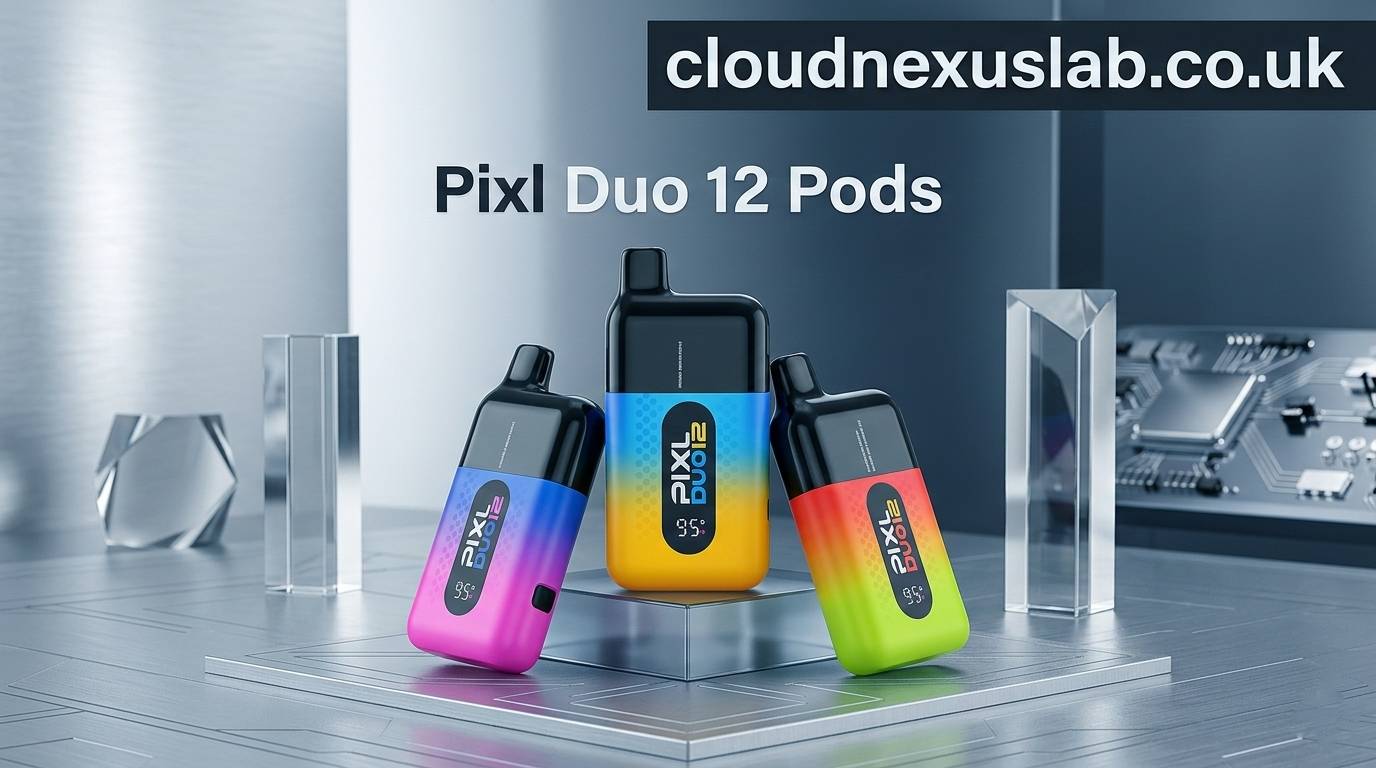
The vaping industry moves fast, but few products generate as much curiosity as the Pixl Duo 12 Pods. Whether you’re a seasoned vaper or someone considering switching from traditional cigarettes, understanding what makes this device unique can help you make a smarter choice. In a market filled with disposable options and refillable systems, Pixl Duo 12 Pods stand out for their dual-flavor functionality, sleek design, and convenient performance. This guide explores everything you need to know — from how it works to who it’s best for and how it compares to other pod systems.
By the end of this article, you’ll have a clear understanding of its features, benefits, practical use cases, and whether it fits your lifestyle.
What Are Pixl Duo 12 Pods?
Pixl Duo 12 Pods are dual-flavor pod vaping devices designed to offer flexibility and convenience in a single compact unit. Unlike standard single-flavor disposable vapes, this device allows users to switch between two flavors seamlessly. That means you don’t have to carry multiple devices just to enjoy variety.
At its core, the Pixl Duo 12 Pods system combines pre-filled e-liquid pods, integrated battery functionality, and a user-friendly switching mechanism. The “12” typically refers to its extended puff capacity, engineered to provide a longer-lasting experience compared to standard disposables.
The product is designed for convenience. There’s no refilling, no coil changes, and minimal maintenance. It’s built for modern users who want flavor diversity without complexity.
Product Overview at a Glance
Here’s a quick breakdown of the core specifications:
| Feature | Details |
|---|---|
| Product Name | Pixl Duo 12 Pods |
| Flavor System | Dual-flavor switchable design |
| Puff Capacity | Extended (approx. 12,000 puffs depending on usage) |
| Battery | Rechargeable integrated battery |
| Activation | Draw-activated |
| Maintenance | No refilling or coil replacement required |
| Best For | Convenience-focused and flavor-seeking users |
This overview highlights why the device appeals to both new users and experienced vapers looking for variety.
Why Dual-Flavor Technology Matters
One of the most distinctive features of Pixl Duo 12 Pods is its dual-flavor capability. This isn’t just a novelty — it changes how people experience vaping.
Imagine starting your morning with a cool mint flavor and switching to a fruit blend in the evening without changing devices. It adds flexibility without adding clutter. For many users, flavor fatigue is real. Vaping the same taste all day can become dull. The dual system solves that issue elegantly.
The internal mechanism allows a simple toggle or switch that redirects airflow between two separate flavor chambers. Each chamber maintains flavor integrity, preventing mixing or contamination. That means each puff delivers a clean, consistent taste.
This feature also makes it practical for social settings. One device, two preferences. Less hassle.
Design and Build Quality
A Compact Yet Functional Structure
Pixl Duo 12 Pods are built with portability in mind. The device typically features a slim body that fits easily in a pocket or purse. Despite its compact form, it houses two separate e-liquid chambers and a rechargeable battery.
The materials often include lightweight alloy or durable plastic with a smooth matte finish. The ergonomic shape ensures comfortable grip during extended use.
Small details matter. Airflow is designed to provide a balanced draw — not too tight, not too loose. This makes it suitable for users transitioning from cigarettes as well as experienced vapers.
Battery Life and Charging
Battery performance is a crucial factor in any pod system. The integrated rechargeable battery ensures users can utilize the full e-liquid capacity without wasting unused liquid due to a dead battery.
Most versions support fast charging via USB-C, reducing downtime significantly. A full charge can typically last an entire day, depending on usage patterns.
Here’s a simple performance comparison:
| Feature | Standard Disposable | Pixl Duo 12 Pods |
|---|---|---|
| Flavor Options | Single | Dual |
| Rechargeable | Usually No | Yes |
| Puff Capacity | 3,000–6,000 | Up to 12,000 |
| Long-Term Cost Efficiency | Moderate | Higher value |
The rechargeable aspect makes it more practical and cost-effective over time.
Performance and Vapor Quality
Performance isn’t just about puff count. It’s about consistency, throat hit, and flavor delivery.
Pixl Duo 12 Pods typically use mesh coil technology. Mesh coils heat evenly, allowing better vapor production and smoother flavor output. Users often report:
- Richer flavor profiles
- Balanced throat hit
- Steady vapor production from first puff to last
Because the device maintains stable power output, you’re less likely to experience burnt tastes near the end of its lifecycle. That consistency is what keeps users satisfied.
For example, someone switching from cigarettes often looks for a strong throat sensation. Meanwhile, experienced vapers may prioritize flavor intensity. This device balances both.
Who Should Consider Pixl Duo 12 Pods?
New Vapers
Beginners often feel overwhelmed by complex mod systems. The simplicity of Pixl Duo 12 Pods makes it an easy entry point. No buttons. No refills. Just inhale and enjoy.
The dual-flavor option also helps new users experiment with preferences without committing to multiple purchases.
Experienced Users Seeking Convenience
Even advanced vapers appreciate convenience. Carrying bulky devices isn’t always practical. For travel, social events, or daily commuting, a compact dual-flavor pod system simplifies life.
It becomes a reliable backup or even a primary device for those who value portability.
Lifestyle-Focused Users
Some people vape casually and socially. Others integrate it into their daily routine. The extended puff capacity makes it suitable for both light and heavy users.
Flavor Variety and User Experience
Flavor diversity is central to the appeal of Pixl Duo 12 Pods. Manufacturers often pair complementary flavors in a single device. Examples may include fruit-and-ice combinations or dessert-and-menthol blends.
This pairing strategy enhances experience. For instance, switching between a sweet mango flavor and a cool mint can reset your palate, keeping sessions enjoyable.
Flavor switching also reduces the temptation to buy multiple disposable devices, lowering clutter and waste.
From a sensory perspective, alternating flavors stimulates taste perception and keeps the experience dynamic.
Practical Benefits Over Traditional Devices
Many users compare Pixl Duo 12 Pods to traditional disposable vapes or refillable pod systems. Each has strengths, but this device fills a unique middle ground.
Disposable vapes are convenient but limited in flavor and battery life. Refillable pods offer customization but require maintenance. Pixl Duo 12 Pods combine convenience with extended use.
Here’s how it stands out:
| Aspect | Refillable Pod System | Pixl Duo 12 Pods |
|---|---|---|
| Refilling Required | Yes | No |
| Flavor Switching | Manual Pod Change | Built-In Switch |
| Maintenance | Moderate | Minimal |
| Learning Curve | Medium | Very Low |
This hybrid convenience model is one reason it’s gaining popularity.
Safety and Responsible Usage
While the device is easy to use, responsible habits matter. Always charge using recommended cables. Avoid exposing it to extreme heat. Store away from children and pets.
Users should also be aware of nicotine strength. Many pod systems contain high nicotine concentrations. Understanding tolerance levels helps avoid discomfort.
Moderation and informed usage are key to a better experience.
Cost Efficiency and Long-Term Value
At first glance, dual-flavor extended-puff devices may appear more expensive than basic disposables. However, when calculating cost per puff, the value becomes clearer.
Instead of purchasing multiple small devices weekly, one Pixl Duo 12 Pods device can last significantly longer. Rechargeability also ensures you use every drop of e-liquid.
For regular users, this often translates into better cost efficiency over time.
Real-World Scenario: A Case Study
Consider Alex, a 29-year-old professional who switched from smoking two years ago. He tried refillable systems but found them inconvenient during travel. He also disliked carrying two separate disposable vapes for different moods.
After switching to Pixl Duo 12 Pods, he noticed improved convenience. He used mint during work hours and fruit blends during evenings. The rechargeable battery meant fewer interruptions. Over time, he also found it more cost-effective compared to buying multiple devices.
This practical example illustrates how the device fits into everyday routines.
Environmental Considerations
While no disposable device is entirely eco-neutral, rechargeable pod systems reduce waste compared to non-rechargeable disposables.
Using one extended-capacity device instead of several smaller ones lowers the number of discarded batteries and casings. Though not perfect, it represents a step toward reduced environmental impact within the category.
Users who prioritize sustainability may appreciate this incremental improvement.
How to Choose the Right Flavor Pair
Selecting the right combination enhances satisfaction. Consider:
- Do you prefer cool or sweet flavors?
- Do you vape more in the morning or evening?
- Do you experience flavor fatigue quickly?
For example, pairing a strong menthol with a fruity blend offers contrast. Meanwhile, dessert lovers might enjoy sweet combinations that alternate without overwhelming the palate.
Testing different combinations over time helps identify your ideal match.
Conclusion
Pixl Duo 12 Pods represent a practical evolution in pod vaping technology. By combining dual-flavor flexibility, extended puff capacity, rechargeable convenience, and consistent vapor performance, the device addresses many common frustrations users face.
It suits beginners who want simplicity. It serves experienced users who value portability. And it provides variety without added complexity. From flavor switching to cost efficiency, the design focuses on real-world usability.
If you’re searching for a compact yet versatile Vaping solution, Pixl Duo 12 Pods offer a balanced blend of innovation and convenience. Make informed choices, understand your preferences, and prioritize responsible use. The right device should simplify your experience — not complicate it.
Frequently Asked Questions (FAQs)
1. What makes Pixl Duo 12 Pods different from regular disposable vapes?
Pixl Duo 12 Pods feature a dual-flavor switching system and a rechargeable battery, offering extended use and greater flexibility compared to single-use disposables.
2. How long does a Pixl Duo 12 Pods device last?
Depending on usage habits, it can deliver up to approximately 12,000 puffs. Rechargeability ensures the full e-liquid capacity is utilized.
3. Can I refill Pixl Duo 12 Pods?
No, the device comes pre-filled and is not designed for refilling. It is intended for convenient, maintenance-free use.
4. Is Pixl Duo 12 Pods suitable for beginners?
Yes, it’s draw-activated and requires no setup, making it ideal for new users transitioning from smoking or exploring vaping.
5. How do I switch between flavors?
The device includes a built-in toggle or switch that redirects airflow between the two flavor chambers instantly and cleanly.

Introduction
In a world where digital spaces evolve overnight, AmateurAllrue has started capturing attention as a dynamic, community-driven platform that blends creativity, individuality, and unfiltered expression. Whether you’re a curious newcomer or someone exploring emerging online communities, AmateurAllrue represents something larger than just a name—it signals a shift toward authentic, user-powered experiences.
People are increasingly drawn to platforms that celebrate originality rather than perfection. AmateurAllrue stands at that intersection. It encourages real voices, genuine content, and meaningful interaction. But what exactly is AmateurAllrue? Why is it growing in relevance? And how can individuals, creators, or brands navigate its ecosystem effectively?
This in-depth guide explores everything you need to know about AmateurAllrue—from its origins and structure to its features, audience behavior, practical use cases, and long-term significance in today’s digital culture.
What Is AmateurAllrue?
AmateurAllrue is a digital content-sharing and interaction platform centered around authentic, user-generated material. Unlike polished commercial networks that prioritize curated perfection, AmateurAllrue embraces raw creativity. It empowers everyday creators to share their work without heavy gatekeeping.
The word itself hints at two themes: “amateur,” suggesting grassroots creativity, and “allure,” implying appeal and magnetism. Together, they form a concept rooted in relatable charm. AmateurAllrue isn’t about professional-grade production; it’s about real stories and original expression.
At its core, the platform operates as:
- A content publishing space
- A social interaction hub
- A discovery engine for emerging creators
It supports multiple categories, allowing flexibility across creative, informational, and entertainment-based content.
Quick Overview of AmateurAllrue
| Feature | Details |
|---|---|
| Platform Type | User-generated content hub |
| Primary Focus | Authentic digital expression |
| Audience | Creators, hobbyists, viewers |
| Monetization Options | Creator-driven contributions & subscriptions |
| Content Style | Unfiltered, creative, niche-based |
This flexible foundation makes AmateurAllrue adaptable across industries and communities.
The Philosophy Behind AmateurAllrue
Embracing Authenticity Over Perfection
Many platforms reward polish. AmateurAllrue rewards honesty. That’s a major difference.
Users don’t need expensive tools or production teams. Instead, they rely on originality. This lowers entry barriers and invites participation from people who may otherwise feel excluded.
Think of it like an open mic night online. The stage is available. The spotlight is shared. And the audience values courage as much as craft.
Community Before Commercialization
Unlike heavily commercial ecosystems, AmateurAllrue thrives on community interaction. Engagement feels more conversational and less transactional.
Creators often:
- Respond directly to feedback
- Collaborate organically
- Build smaller but highly loyal audiences
This fosters deeper digital relationships.
Key Features of AmateurAllrue
1. Creator-Centric Profiles
Each user builds a personalized presence. Profiles reflect personality, niche interests, and creative direction. Instead of rigid templates, AmateurAllrue allows customization that supports identity.
This flexibility encourages creators to experiment without fear of algorithmic suppression.
2. Content Flexibility
The platform accommodates multiple formats. These may include visual content, written narratives, audio-based pieces, or hybrid formats. Such diversity prevents stagnation and keeps the ecosystem dynamic.
Below is a feature comparison table:
| Feature | Traditional Platforms | AmateurAllrue |
|---|---|---|
| Entry Barrier | Moderate to High | Low |
| Production Standards | Polished & curated | Authentic & raw |
| Audience Connection | Broad but distant | Niche but intimate |
| Growth Model | Competitive | Community-driven |
The distinction becomes clear. AmateurAllrue values depth over mass exposure.
Why AmateurAllrue Is Gaining Attention
A Cultural Shift Toward Realness
Today’s audiences crave relatability. Highly edited content sometimes feels detached from everyday life. AmateurAllrue fills that emotional gap.
For example, a hobbyist photographer sharing unfiltered nature shots may resonate more than commercial stock images. Imperfections become strengths.
Accessible Monetization Opportunities
Creators can generate income through voluntary support systems or membership tiers. Unlike rigid ad-based revenue models, this system often feels more transparent and creator-controlled.
This financial autonomy attracts independent creators seeking sustainability without sacrificing voice.
Audience Behavior and Engagement Patterns
Understanding how users interact with AmateurAllrue reveals why it stands out.
High Interaction Density
Smaller communities tend to interact more frequently. Instead of passive scrolling, users engage through thoughtful comments and discussions.
Engagement metrics often show:
| Engagement Type | Observed Pattern |
|---|---|
| Comments | Longer, meaningful |
| Shares | Niche-targeted |
| Repeat Visits | Higher among loyal followers |
This engagement pattern indicates stronger emotional investment.
Niche Discovery Model
AmateurAllrue thrives on micro-communities. Rather than pushing viral content universally, it allows interest-based discovery. Users find creators aligned with their passions.
This creates digital neighborhoods rather than crowded digital highways.
Practical Applications of AmateurAllrue
For Individual Creators
AmateurAllrue offers a safe testing ground for new ideas. Writers can publish drafts. Musicians can share demos. Visual artists can showcase experiments.
There’s less pressure to “go viral.” The focus remains on improvement and connection.
For Entrepreneurs and Small Brands
Brands seeking grassroots engagement may find value in AmateurAllrue’s authenticity-driven environment.
Instead of traditional marketing campaigns, businesses can:
- Collaborate with micro-creators
- Host interactive discussions
- Share behind-the-scenes content
This builds trust organically.
For Educational or Informational Projects
Educators and researchers can use the platform to share insights in a conversational tone. Because the environment encourages dialogue, knowledge exchange feels more personal.
Challenges and Considerations
No platform is perfect. AmateurAllrue faces its own hurdles.
Content Moderation Balance
Maintaining authenticity while preventing harmful material is complex. Platforms rooted in open expression must carefully navigate boundaries.
The goal is freedom with responsibility.
Sustainable Growth
Rapid expansion can dilute community intimacy. If AmateurAllrue grows too quickly, it may struggle to preserve its original charm.
Successful scaling will depend on maintaining culture while expanding infrastructure.
Case Study: Independent Creator Growth on AmateurAllrue
Consider Mia, a self-taught digital illustrator. She struggled to gain visibility on mainstream platforms where high-budget artists dominated.
When she joined AmateurAllrue:
- She posted weekly sketch progress
- Shared behind-the-scenes thoughts
- Interacted directly with followers
Within six months, she built a loyal audience of 5,000 dedicated supporters. Her growth wasn’t explosive, but it was stable and engaged.
Her success demonstrates that AmateurAllrue rewards consistency and authenticity rather than trends.
The Future of AmateurAllrue
Expansion Without Losing Identity
As digital users continue seeking meaningful spaces, platforms like AmateurAllrue may shape the next generation of online communities.
Future developments could include:
- Enhanced creator analytics
- Collaborative project tools
- Integrated community events
The challenge will remain clear: grow without losing authenticity.
Long-Term Cultural Impact
AmateurAllrue represents more than technology. It symbolizes a cultural preference shift toward honest storytelling.
In a world saturated with filters and perfection, imperfection feels refreshing.
AmateurAllrue stands as a powerful example of how digital communities are evolving. It embraces authenticity, lowers barriers to entry, and fosters genuine interaction. Unlike platforms driven purely by commercial competition, AmateurAllrue nurtures smaller, more meaningful creative ecosystems.
Conclusion
For creators, it offers freedom. For audiences, it provides relatability. For brands and educators, it opens doors to organic engagement.
The key takeaway? Authenticity wins long term. Whether you’re experimenting with content, building a niche audience, or exploring new digital spaces, AmateurAllrue presents a compelling Opportunity.
Stay curious. Stay genuine. And most importantly, create without fear.
Frequently Asked Questions (FAQs)
1. What is AmateurAllrue mainly used for?
AmateurAllrue is primarily used for sharing authentic, user-generated content across various formats. It supports creative expression and community interaction.
2. Is AmateurAllrue suitable for beginners?
Yes. The platform encourages amateur creators and lowers barriers to entry, making it accessible for beginners.
3. Can creators earn money on AmateurAllrue?
Many creators can monetize through subscriptions or audience support systems, depending on platform features.
4. What makes AmateurAllrue different from mainstream platforms?
It emphasizes authenticity over perfection and builds niche communities rather than chasing mass virality.
5. Is AmateurAllrue limited to a specific niche?
No. It supports diverse content categories, including creative arts, education, lifestyle, and more.
Fashion & Lifestyle
Faibloh: A Deep Dive Into Its Meaning, Uses, and Impact
Discover what Faibloh means, how it’s used, and why it’s gaining attention as a modern name for brands, creators, and digital identity.

Introduction
Faibloh is one of those words that instantly sparks curiosity. It sounds modern, slightly mysterious, and oddly memorable—like something you’ve heard before but can’t quite place. Whether you came across Faibloh in a conversation, online forum, brand name, creative project, or emerging digital space, you’re not alone in wondering what it truly means and why people are starting to pay attention to it.
In this in-depth guide, you’ll learn what Faibloh may represent, how it’s being used across different contexts, and why it has the potential to become a recognizable term in culture, business, and creativity. More importantly, you’ll walk away with practical ways to interpret it, use it, or even build something around it. This topic matters because names and concepts like Faibloh often become tomorrow’s trends—and understanding them early gives you an edge.
Quick Overview of Faibloh
Before we dive deeper, here’s a helpful snapshot of what Faibloh might represent depending on context.
| Attribute | Description |
|---|---|
| Term Type | Word/name/concept (flexible meaning) |
| Possible Uses | Brand, digital platform, username, project, slang |
| Core Appeal | Unique, memorable, modern-sounding |
| Likely Origin | Invented or coined term (not traditional dictionary-based) |
| Popularity Trend | Emerging / niche but growing recognition |
This table doesn’t lock Faibloh into one meaning—it highlights why it’s such a versatile term.
What Does Faibloh Mean?
The meaning of Faibloh depends heavily on where you encountered it. Unlike traditional words that come with fixed definitions, Faibloh feels like a coined term—something intentionally designed rather than inherited from a language dictionary.
That doesn’t make it meaningless. In fact, coined words often carry more power because people can shape their meaning. Think about names like Google, Spotify, or Kodak. Those weren’t common words at first either. They became meaningful because people attached identity and purpose to them.
Faibloh may function in the same way: a flexible identity marker that can represent a person, a project, a product, or even a philosophy.
In many modern settings, words like Faibloh tend to represent one of three things:
- A personal or creative identity
- A digital or tech-based project
- A brand designed for uniqueness
And that’s where things get interesting.
Why Faibloh Feels So Unique
There’s a reason Faibloh sticks in your head. It has a structure that feels intentionally designed.
It’s short enough to remember but long enough to feel distinctive. It’s also smooth to pronounce, and that matters more than people realize. Humans naturally gravitate toward words that roll off the tongue easily. Faibloh has a rhythm—almost like a name you’d expect to see on an app, a futuristic service, or a creative platform.
Another key factor is that it doesn’t strongly belong to any single culture or language group. That gives it a global, universal feel. In today’s world, that kind of neutrality is valuable, especially if a word is meant to represent something digital.
Faibloh also has an emotional quality. It sounds modern, but not cold. It sounds creative, but not childish. It sits right in that sweet spot.
Faibloh as a Brand or Business Identity
One of the most likely real-world uses of Faibloh is as a brand name. And honestly, it’s a strong candidate.
Brand names succeed when they check at least three boxes:
- Easy to remember
- Unique and recognizable
- Flexible enough to grow
Faibloh fits all three.
Imagine you’re launching a startup, a creative studio, a digital product, or even a fashion label. The name Faibloh doesn’t limit you. It could represent technology, lifestyle, media, education, or design.
That flexibility is gold.
How a Name Like Faibloh Builds Trust
People often underestimate how branding works emotionally. When someone sees a unique name like Faibloh, their brain assumes it belongs to something intentional. It feels “real” because it doesn’t look accidental.
And once a name feels intentional, it becomes easier to trust.
It’s similar to walking into a modern coffee shop called “Velora” or “Brixen.” You don’t need to know the meaning—you instantly assume there’s a story behind it.
Faibloh creates the same effect.
Possible Interpretations of Faibloh Across Categories
Since Faibloh doesn’t have one locked definition, it’s helpful to explore how it could work in different spaces. This also helps you understand the full intent behind why people might search for it.
Faibloh in Technology
In a tech context, Faibloh could be:
- A software tool
- A digital platform
- A blockchain-related project
- A mobile app
- A virtual assistant concept
Tech names often avoid literal meanings because they want freedom. If you call your product “Fast File Transfer,” you’re boxed in. If you call it Faibloh, you can evolve into anything.
Faibloh in Art and Creativity
In creative industries, Faibloh could easily be:
- A music artist name
- A digital art brand
- A YouTube channel identity
- A storytelling universe
- A design portfolio label
Artists often choose names that feel symbolic rather than literal. Faibloh has that symbolic vibe.
Faibloh in Fashion or Lifestyle
Faibloh could also work as:
- A streetwear label
- A luxury-inspired boutique brand
- A fragrance name
- A wellness platform
- A lifestyle blog identity
Fashion thrives on names that feel aspirational. Faibloh sounds like something you’d see printed on a hoodie or stamped on minimalist packaging.
How Faibloh Could Become a Cultural Term
Sometimes a word starts as a name and slowly becomes a concept.
This has happened countless times:
- “Google” became a verb.
- “Photoshop” became slang for editing reality.
- “Netflix” became shorthand for staying in.
Faibloh could follow a similar pattern if people begin using it beyond a brand name.
For example, if Faibloh became associated with creativity or digital innovation, someone might say:
“That’s such a Faibloh idea.”
That’s how cultural language is born. It starts as identity, then becomes meaning.
The Psychology Behind It
Humans love labels. Labels help us simplify complex ideas.
If Faibloh becomes attached to a certain aesthetic—clean design, futuristic energy, creativity, independence—then it becomes more than a name. It becomes a signal.
That’s when a term gains cultural gravity.
A Realistic Case Study: How Faibloh Could Grow Into a Platform
Let’s imagine a scenario.
A developer creates an online creative hub called Faibloh, designed for writers, designers, and digital creators. At first, it’s just a small tool. A few people join. They share templates, digital assets, and ideas.
Then something interesting happens.
Instead of marketing aggressively, Faibloh grows because its users love the vibe. The name feels like a “world” rather than a product. It becomes an identity.
Soon people say things like:
- “I found this on Faibloh.”
- “Faibloh creators are different.”
- “This design style is very Faibloh.”
At that point, Faibloh stops being a platform and starts becoming a community culture.
This is exactly how major creative platforms build loyalty: not through features alone, but through identity.
Faibloh as a Personal Identity or Username
In today’s digital world, identity is currency. People build careers on usernames. A strong username is often more memorable than a real name.
Faibloh works extremely well as a personal brand identity because it’s:
- Distinct
- Searchable
- Professional-sounding
- Not overly niche
It’s the kind of name that could belong to a gamer, a digital artist, a writer, or even an entrepreneur.
Why People Choose Invented Names
Invented names like Faibloh give people freedom. They’re not tied to family history, geography, or cultural expectations. They allow reinvention.
Someone who uses Faibloh as a name can decide what it represents:
- creativity
- mystery
- innovation
- independence
- minimalism
- boldness
That’s powerful because modern identity is built through association, not explanation.
How Faibloh Could Be Used in Business, Media, and Products
Here are some realistic product or business categories where Faibloh could fit naturally.
| Industry | Possible Faibloh Use Case | Why It Fits |
|---|---|---|
| Tech | App or productivity tool | Modern and scalable |
| Entertainment | Streaming channel or creator brand | Memorable identity |
| Fashion | Streetwear or minimalist clothing | Stylish and premium-sounding |
| Education | Online learning platform | Neutral and global |
| Wellness | Meditation or lifestyle brand | Calm and brandable |
| Gaming | Clan name or game studio | Unique and futuristic |
This shows how Faibloh can stretch across categories without sounding awkward. That flexibility is rare.
The Emotional Appeal of Faibloh
Even without a fixed meaning, Faibloh feels like it carries emotion. That’s because of how it sounds.
Words shape feelings through tone, rhythm, and association. Faibloh sounds like it belongs in a world of creativity, future-thinking, and modern digital culture.
It also feels personal. Like a name you’d attach to something meaningful.
Some words feel corporate. Others feel childish. Faibloh feels balanced, which is why it’s so adaptable.
A good comparison is the way the word “Nova” feels exciting even if you don’t think about astronomy. Or how “Lumen” feels clean and intelligent even if you don’t know Latin.
Faibloh has that same emotional flexibility.
How to Use Faibloh in a Real Project
If you’re considering using Faibloh as a brand name, product name, or creative identity, you should treat it like a blank canvas.
The key is to define the tone you want.
Option 1: Faibloh as a Premium Brand
You could build Faibloh around minimalism, sleek design, and exclusivity. Think clean logos, muted colors, and high-end presentation.
This would work well for fashion, digital tools, or creative services.
Option 2: Faibloh as a Community Platform
You could make Faibloh feel friendly and social, like a hub for creators or niche communities.
This would work for online platforms, membership communities, or creator networks.
Option 3: Faibloh as a Futuristic Concept
Faibloh could easily be framed as a sci-fi concept, game world, or digital universe.
This would work perfectly for gaming, storytelling, animation, or AI-related branding.
Faibloh Branding Breakdown (Practical Table)
Here’s a practical way to evaluate Faibloh as a usable identity.
| Branding Element | Strength Level | Notes |
|---|---|---|
| Memorability | High | Easy to recall after one exposure |
| Pronunciation | Medium-High | Slight mystery, but still smooth |
| Versatility | Very High | Works across industries |
| Visual Appeal | High | Looks clean in text and logo form |
| Emotional Tone | Balanced | Can feel premium, playful, or futuristic |
| Global Usability | High | Not language-specific |
This is why Faibloh has potential beyond being “just a word.”
Potential Risks or Challenges With Faibloh
Even strong names have challenges, and it’s better to be realistic about them.
It May Require Explanation Early On
Since Faibloh isn’t widely known yet, you’d have to define it clearly at the beginning of your project. People won’t automatically understand what it represents.
But that’s not a weakness—it’s an opportunity. You get to shape the meaning.
Spelling Confusion Is Possible
Some people may spell it differently at first. That’s common with invented names. The fix is consistency: always present it the same way, with the same design and tone.
Identity Must Be Built Intentionally
A name like Faibloh won’t carry itself. It needs branding, storytelling, and repetition to gain recognition.
But that’s true for any new brand.
Anecdote: Why Invented Words Often Win
There’s a funny truth about naming: the best names usually sound meaningless at first.
If you told someone in 1998 that “Google” would become one of the most powerful words in the world, they’d laugh. It sounded weird. Almost silly.
But over time, the word gained weight because the product behind it delivered value.
Faibloh has the same potential. If it becomes attached to something useful, stylish, or culturally relevant, the name will stop feeling “unknown” and start feeling iconic.
Names don’t become powerful because of their origin. They become powerful because of their story.
How Faibloh Could Evolve Over the Next Few Years
If Faibloh continues appearing in digital spaces, it could evolve in a few different directions:
- It could become a recognizable personal identity used by creators.
- It could become the name of a product or platform.
- It could turn into a community term representing a style or vibe.
- It could even become a fictional universe name for games or media.
The most likely outcome depends on who adopts it first. Communities shape language faster than companies do.
And if Faibloh becomes tied to a strong community, it could grow quickly.
Faibloh in Modern Digital Identity Culture
In today’s world, identity isn’t just your name. It’s your handle, your aesthetic, your tone, and your digital footprint.
That’s why terms like Faibloh matter.
Faibloh feels like it belongs to a generation that values:
- originality
- self-expression
- independence
- creativity
- futuristic thinking
Even if Faibloh has no official definition, it fits perfectly into modern identity culture because people don’t just want labels—they want symbols.
And Faibloh feels symbolic.
Conclusion
Faibloh is more than just a strange or catchy word—it’s the kind of modern term that thrives in today’s world of digital identity, branding, and creative expression. Its biggest strength is flexibility. Faibloh can represent a brand, a platform, a creative persona, or even an entire community vibe, depending on how it’s used and who adopts it.
What makes Faibloh especially interesting is that it doesn’t come with limits. Instead of being boxed into one meaning, it invites interpretation. That means its future is wide open, and its value will grow as people attach stories, Projects, and culture to it.
If you’re someone exploring new ideas, building a brand, or crafting a personal identity, Faibloh is the kind of term worth paying attention to. It’s memorable, adaptable, and modern—three qualities that almost always matter in the long run.
Frequently Asked Questions (FAQs)
1. What is Faibloh?
Faibloh is a coined term that may be used as a name, identity, brand, or concept. Its meaning depends on context, making it highly flexible and modern.
2. Is Faibloh a company or a platform?
Faibloh may refer to a company, project, or platform in some cases, but it isn’t universally tied to one specific organization. It can also be used creatively as a personal identity.
3. Why is the word Faibloh gaining attention?
Faibloh stands out because it sounds unique, modern, and memorable. People are drawn to names that feel fresh and adaptable, especially in digital spaces.
4. Can Faibloh be used as a brand name?
Yes, Faibloh works well as a brand name because it’s distinctive and versatile. It could fit industries like tech, fashion, creative media, or online services.
5. Does Faibloh have an official meaning?
There’s no widely established official definition for Faibloh. Its meaning is shaped by how individuals or communities choose to use it over time.


Osnovno: A Complete Guide to Understanding the Essentials

Animeidhen: Exploring the Meaning, Culture, and Impact

Myreadingmanga: Exploring a Unique Manga Reading Hub

Uber and Lyft are finally available in all of New York State
The 9 worst mistakes you can ever make at work
15 Habits that could be hurting your business relationships
-
 Business9 years ago
Uber and Lyft are finally available in all of New York State
-
Business9 years ago
The 9 worst mistakes you can ever make at work
-
Business9 years ago
15 Habits that could be hurting your business relationships
-
 Celebrity9 months ago
Mickey Rourke Young: A Powerful Look at His Early Life and Rise
-
Business9 years ago
MSNBC finishes first in primetime basic cable for first time ever
-
 Business7 months ago
Eschopper: The Modern Framework Transforming Digital Commerce
-
 Celebrity9 months ago
Thomas Boone Quaid: A Life Shaped by Fame and Privacy
-
Business9 years ago
3 Ways to make your business presentation more relatable