
blog
Birthplace: Why It Matters More Than You Think
Learn what birthplace means, why it matters legally and culturally, and how it impacts identity, immigration, records, and family history in real life.


Introduction
Birthplace is one of those words that seems simple—until you really sit with it. Your birthplace isn’t just the spot where you first opened your eyes. It’s often the first chapter of your identity, a geographic fingerprint tied to your legal records, cultural background, and even emotional story. Whether you’re researching ancestry, filling out official documents, applying for immigration, or simply trying to understand your roots, your birthplace holds more meaning than most people realize.
In this guide, you’ll learn what birthplace truly means, how it affects your life legally and socially, why people search for it, and how it connects to culture, family history, and modern identity. You’ll also discover practical examples, common mistakes people make when listing their birthplace, and how to handle complicated situations like being born at sea, in military bases, or in countries that no longer exist.
What Does Birthplace Actually Mean?
A birthplace is the physical location where a person is born, typically recorded as a city, town, or region, along with the country. It’s a factual piece of personal information that appears on documents like birth certificates, passports, school records, and government IDs.
But here’s the twist: what people think their Birthplace is and what the law defines as a birthplace can sometimes differ. For example, someone may identify strongly with the town they grew up in, but their official birthplace might be the city where the hospital was located.
Birthplace is often treated as a permanent label, even if you moved away as a newborn. That’s why it can feel strange—your birthplace might be a place you’ve never truly known, yet it follows you everywhere.
In everyday life, people ask about birthplace casually. But in legal and administrative settings, it becomes a serious detail that must match official records exactly.
Birthplace vs Hometown: Why People Confuse Them
Many people casually say, “I’m from Chicago,” even if they were technically born in a different city. That’s where confusion begins.
Your hometown is usually the place where you were raised, where your memories were formed, and where your personal identity grew. Your birthplace, however, is strictly the location where you were delivered into the world.
That difference matters because official systems don’t care where you feel you belong—they care where you were physically born.
Key Difference in Simple Terms
If your life were a book, your hometown is the story, but your birthplace is the first page.
Birthplace Information Table (Quick Overview)
Here’s a helpful table showing how birthplace is typically recorded and used across different contexts:
| Birthplace Detail | Example | Where It’s Used | Why It Matters |
|---|---|---|---|
| City/Town | Dallas | Passport, ID | Confirms identity |
| State/Province | Texas | Birth certificate | Legal jurisdiction |
| Country | USA | Immigration forms | Citizenship-related checks |
| Hospital (sometimes) | Parkland Hospital | Medical records | Health documentation |
| Region/County | Cook County | Court records | Legal verification |
This table makes one thing clear: birthplace isn’t just personal—it’s administrative.
Why Birthplace Matters in Legal and Official Life
Birthplace isn’t just trivia. It can directly impact legal decisions, documentation approval, and even citizenship claims.
Governments use birthplace as a way to verify identity, especially when names are common. Two people may share the same name and birthdate, but birthplace helps distinguish them.
Birthplace and Identity Verification
When applying for a passport or government services, your birthplace is used as a reference point. If it doesn’t match your birth certificate exactly, it can delay applications, trigger document requests, or even cause rejection.
Birthplace and Citizenship
In many cases, birthplace influences whether someone is considered a citizen automatically. While laws differ widely, birthplace can affect:
- Eligibility for citizenship by birth
- Residency rights
- Immigration categories
- Refugee documentation decisions
Some countries offer citizenship based on being born within their borders, while others rely on the citizenship of the parents. That means birthplace can be a powerful legal factor, depending on location and time.
Birthplace in Court and Legal Records
Birthplace also appears in court documents, marriage licenses, and background checks. It helps confirm that the person involved is the correct individual.
So while it may feel like a minor detail, your birthplace can function like a permanent stamp in the legal world.
Cultural Meaning of Birthplace: More Than a Location
Even beyond legal paperwork, birthplace carries cultural weight.
People often connect their birthplace with heritage, pride, and identity. A birthplace can represent:
- A family legacy
- A cultural tradition
- A language or dialect
- A community’s values
- A regional way of life
Someone born in New Orleans may feel tied to music and food culture. Someone born in a rural village might feel connected to land and tradition. Birthplace can shape the stories families tell and the pride people carry.
Sometimes it even becomes part of how someone introduces themselves, especially in communities where origins are deeply respected.
Birthplace and Personal Identity: The Psychological Side
Here’s where it gets interesting: your birthplace can influence how you see yourself, even if you left early.
People often treat birthplace as a symbolic anchor. It’s a reminder of beginnings. For some, it creates belonging. For others, it creates distance—especially if the birthplace is tied to hardship, displacement, or adoption.
Example: A Common Emotional Story
Imagine someone born in one country but raised in another. Their birthplace might feel like a mystery, a lost chapter, or even a missing puzzle piece. They may grow up with questions like:
“Do I belong there?”
“Is that part of me real?”
“Should I feel proud or disconnected?”
In that way, birthplace becomes more than geography. It becomes identity psychology.
Birthplace in Genealogy and Family History Research
Birthplace is one of the most important pieces of information in genealogy. When tracing ancestors, researchers use birthplace details to locate records, census information, church registries, and migration patterns.
A Birthplace can reveal surprising family stories—like why a family moved, what historical event shaped their journey, or how a surname traveled across continents.
Birthplace as a Clue
If someone’s grandfather’s birthplace is listed as “Prussia,” that might signal a historical shift. The location may now be part of modern Poland or Germany. This single detail can unlock an entire research direction.
Birthplace and Migration Patterns
Birthplace records also show migration trends. For example:
- Rural-to-city migration during industrial growth
- War-related displacement
- Immigration during economic hardship
- Colonial-era movement
So in family research, birthplace is like a breadcrumb trail leading into the past.
Common Birthplace Scenarios That Confuse People
Not everyone has a simple birthplace story. Modern life creates complex birth situations that can be confusing.
Born in a Hospital Outside Your City
Many people are born in major hospitals located in larger cities, even if their family lives elsewhere. In this case, your birthplace is typically recorded as the city where the hospital is located.
Born in a Moving Vehicle
If someone is born in a car, plane, or train, the birthplace may be recorded as:
- The nearest city
- The location where birth was officially registered
- The city where medical care was provided
This can vary based on local rules.
Born at Sea or in International Airspace
These cases are rare but real. Birthplace might be recorded as:
- The vessel name
- The port of registration
- The closest country at the time of birth
This can get complicated and may require legal documentation.
Born in a Country That No Longer Exists
Countries change. Borders shift. Names disappear.
A person born in Yugoslavia or the USSR may have a birthplace that no longer appears on modern maps. Official forms often require modern equivalents, but legal records may still reflect the original name.
How Birthplace Is Listed on Official Documents
Birthplace is typically recorded exactly as it appears on your birth certificate. That’s why consistency is critical.
Here’s a breakdown of how different systems record birthplace:
| Document Type | Birthplace Format | Example |
|---|---|---|
| Birth Certificate | City + State + Country | Miami, Florida, USA |
| Passport | City + Country (sometimes state) | Miami, USA |
| Driver’s License | State or Country | Florida |
| School Records | City or State | Miami |
| Immigration Forms | City + Country | Miami, United States |
Some forms only allow a country, while others demand full detail. Always match your official certificate when possible.
Birthplace and Modern Technology: Why It Still Matters Today
You might assume birthplace is outdated in a digital world, but it’s actually more important than ever.
Birthplace is often used as a verification question in identity systems, along with your date of birth and mother’s maiden name. It’s part of the information used to confirm who you are.
Birthplace in Digital Background Checks
Employers, universities, and government agencies may use birthplace as part of verification systems. It helps reduce fraud, especially when names and dates overlap.
Birthplace and Data Privacy Concerns
Because birthplace is part of your identity profile, it can be used for identity theft if combined with other information. That’s why it’s smart not to publicly share your full birthplace details online unless necessary.
Birthplace and Adoption: When the Story Is Complicated
For adopted individuals, birthplace can be emotionally sensitive.
Some adoptees know their birthplace but not their biological family. Others may have incomplete or inaccurate records. In some international adoption cases, birthplace information may be estimated or recorded incorrectly due to limited documentation.
Real-Life Example
An adoptee might be told they were born in Seoul, but later discover they were actually born in a rural town nearby. That shift may sound minor, but emotionally it can be huge—it changes the story they believed about their origin.
Birthplace becomes a bridge between identity and truth, especially for those rebuilding personal history.
Birthplace in Immigration and Global Mobility
Birthplace is a major factor in immigration systems, especially in countries that use birthplace-based categories.
Many visa applications ask for:
- City of birth
- Country of birth
- Province or region of birth
- Nationality at birth
This matters because birthplace can determine which documentation is required, what background checks apply, and how a person is categorized in legal databases.
Birthplace vs Nationality
It’s important to understand that birthplace is not the same as nationality.
Someone can be born in Canada but hold Indian citizenship through parents. Another person can be born abroad but still be a US citizen. Birthplace is about geography. Nationality is about legal belonging.
How to Correct a Birthplace Mistake on Documents
Mistakes happen. Sometimes a clerk misspells a city name. Sometimes a person fills out a form incorrectly for years. But correcting birthplace errors can be difficult.
Common Birthplace Errors
- Using a hometown instead of birthplace
- Misspelling the city name
- Listing the wrong country due to border changes
- Using informal names instead of official ones
What Usually Fixes It
In most cases, the correction requires:
- A certified birth certificate copy
- Supporting documents (hospital record, registration form)
- A legal affidavit (in some cases)
If your birthplace is recorded incorrectly on important documents like a passport, it’s worth fixing early. Waiting can make future applications harder.
Birthplace and Social Conversations: Why People Ask
People often ask about birthplace casually, but the reason behind the question varies.
Sometimes it’s curiosity. Sometimes it’s cultural connection. Sometimes it’s a subtle way of asking, “What’s your story?”
Birthplace questions can create bonding. Two strangers might discover they were born in the same city and instantly feel connected.
But it can also be sensitive. For immigrants or displaced individuals, being asked about birthplace can trigger complicated emotions. That’s why it’s always best to ask politely and accept vague answers without pushing.
Birthplace and Pride: When a Place Becomes a Symbol
Some places carry prestige. Others carry stereotypes. That’s part of why birthplace can shape how others perceive you.
Being born in New York City, Los Angeles, or Paris may come with assumptions. Being born in a small rural town might also create assumptions—sometimes unfair ones.
The Truth Most People Forget
Your birthplace isn’t your achievement. It’s your starting point.
But emotionally, it can still become a symbol of identity, pride, or belonging. Many people carry their birthplace like a badge, especially if it represents a strong community or heritage.
Birthplace in History: How It Was Recorded in the Past
Birthplace wasn’t always documented the way it is today.
In older historical records, birthplace might be recorded as:
- A church parish
- A county name
- A landmark or village
- A region that no longer exists
That’s why historical birthplace research often requires context. A birthplace listed as “Bavaria” might not refer to the modern political structure. It might refer to an older regional identity.
Understanding birthplace historically requires thinking like a historian, not just reading a map.
Birthplace and Life Outcomes: Does It Affect Your Future?
This is a fascinating question—and the answer is sometimes yes.
Your birthplace can indirectly influence your life because it can affect your early environment, access to healthcare, socioeconomic conditions, and family support systems.
Here’s a table showing how birthplace location can impact early-life opportunities:
| Birthplace Factor | Possible Impact | Example |
|---|---|---|
| Access to hospitals | Infant survival and care quality | Urban hospitals vs rural clinics |
| Local economy | Family income stability | Industrial city vs remote village |
| Education systems | Early childhood learning | Public school funding differences |
| Social safety programs | Long-term health and growth | Strong vs weak public support |
| Environmental conditions | Health risks | Clean air vs polluted region |
Of course, people overcome circumstances every day. But statistically, birthplace can shape early life conditions, which may influence long-term outcomes.
So while birthplace doesn’t define your destiny, it can influence your starting line.
Birthplace in Pop Culture and Fame
Celebrities often have their birthplace listed everywhere. It becomes part of their public biography, almost like a branding detail.
Fans associate birthplace with origin stories, like:
- “Born in Compton”
- “Raised in Brooklyn”
- “From a small Texas town”
Birthplace becomes part of the narrative of success. It adds texture. It makes a story feel real.
Sometimes, entire cities become famous because they produced iconic people. That’s why towns proudly claim artists, athletes, and leaders as “one of ours.”
Birthplace vs Place of Origin: A Subtle Difference
Sometimes people say “place of origin” instead of birthplace, especially in cultural or ethnic discussions.
Birthplace is factual and physical. Place of origin can mean:
- Where your ancestors come from
- Where your family identifies culturally
- Where your roots feel strongest
Someone may be born in the US but say their origin is Mexico, Nigeria, or Lebanon because that’s where their family identity is tied.
Both ideas matter. One is recorded on paper. The other is carried in the heart.
Conclusion
Birthplace may look like a simple detail, but it carries surprising weight. It shapes legal identity, appears in official records, and plays a major role in immigration, Genealogy, and documentation. Beyond paperwork, birthplace also holds cultural and emotional meaning—it can represent heritage, family history, and the start of your personal story.
Understanding your birthplace helps you avoid document errors, improve your personal records, and better understand your own background. It also helps you appreciate that where someone is born may shape their journey, even if it doesn’t define their destiny.
If you’ve ever felt curious—or conflicted—about your birthplace, that’s normal. It’s more than a location. It’s the first coordinate in your life’s map, and it deserves to be understood clearly and thoughtfully.
Frequently Asked Questions (FAQs)
1. What is the exact definition of birthplace?
Birthplace is the physical location where a person is born, usually recorded as the city and country. It is typically based on what appears on the birth certificate.
2. Is birthplace the same as hometown?
No. Birthplace is where you were born, while a hometown is where you grew up or feel most connected. Many people use them interchangeably, but they are not the same.
3. What if my birthplace country no longer exists?
In that case, official records may still show the old country name, but modern forms might require the current country name. It’s best to follow your birth certificate unless instructed otherwise.
4. Can I change my birthplace on official documents?
Generally, no—you can’t change your birthplace unless it was recorded incorrectly. Corrections may require legal paperwork and supporting documents.
5. Why do forms ask for birthplace instead of just nationality?
Because nationality can change, but birthplace usually stays the same. It helps governments and institutions verify identity more accurately.
Introduction
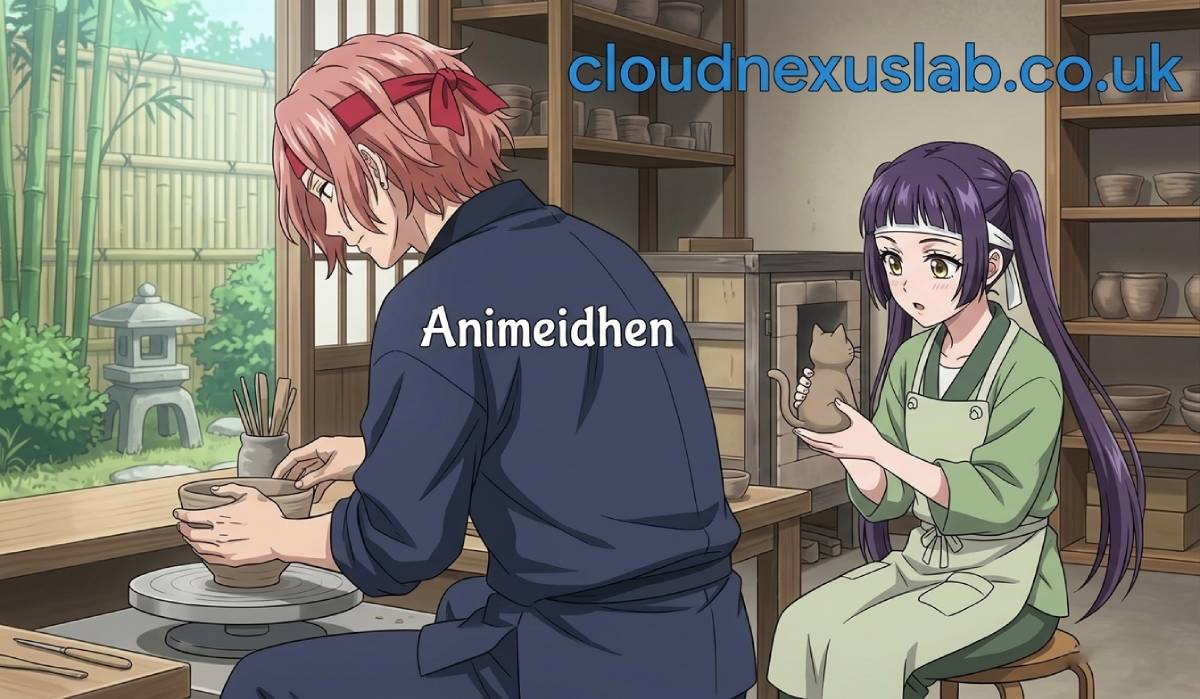
In a world where digital culture constantly evolves, Animeidhen emerges as a fascinating concept that sparks curiosity and invites exploration. Whether you’ve stumbled upon the term online or heard it in niche communities, Animeidhen feels both mysterious and intriguing. It blends imagination, storytelling, and cultural expression in a way that resonates with modern audiences seeking deeper connections to creativity and identity.
This article takes you on a comprehensive journey into Animeidhen—what it is, where it comes from, how it influences different domains, and why it matters today. By the end, you’ll have a clear understanding of Animeidhen and how it fits into broader cultural and creative landscapes.
What Is Animeidhen?
Animeidhen is a term that represents a unique fusion of artistic expression, narrative storytelling, and digital identity. While it doesn’t belong strictly to one category, it often intersects with animation culture, fantasy storytelling, and immersive digital environments.
At its core, Animeidhen reflects a mindset—a way of interpreting stories and visuals through a personalized, imaginative lens. It can refer to:
- A creative style inspired by anime-like aesthetics
- A conceptual identity or persona shaped through digital art
- A narrative universe blending reality and fantasy
Unlike rigid definitions, Animeidhen thrives on flexibility. It allows creators and audiences to shape their own meanings, making it both deeply personal and widely adaptable.
The Origins and Evolution of Animeidhen
Early Influences
Animeidhen draws inspiration from several cultural streams. Traditional animation, especially Japanese anime, plays a significant role. However, it also incorporates elements from fantasy literature, gaming worlds, and digital art communities.
In earlier years, artists began experimenting with hybrid styles—combining anime visuals with original storytelling concepts. Over time, these experiments evolved into a more defined yet fluid idea: Animeidhen.
Growth in Digital Spaces
With the rise of online platforms, Animeidhen gained momentum. Artists, writers, and creators found spaces to share their interpretations, leading to a collaborative evolution of the concept.
What makes Animeidhen unique is that it isn’t owned by any single creator or culture. Instead, it grows organically through community interaction and creative exchange.
Core Elements That Define Animeidhen
To truly understand Animeidhen, it helps to break down its essential components.
Visual Aesthetics
Animeidhen often features stylized characters, expressive emotions, and detailed environments. However, it goes beyond traditional anime by incorporating unique artistic twists.
Narrative Depth
Stories within Animeidhen tend to explore identity, transformation, and emotional journeys. These narratives often blur the lines between reality and imagination.
Personal Identity
Many creators use Animeidhen as a way to express their inner selves. It becomes a medium for exploring who they are or who they wish to become.
Key Characteristics Table
| Element | Description |
|---|---|
| Visual Style | Anime-inspired but uniquely adapted visuals |
| Storytelling | Deep, emotional, often introspective narratives |
| Flexibility | No fixed rules, allowing creative freedom |
| Community-Driven | Evolved through shared ideas and collaborations |
| Identity Focus | Strong emphasis on personal and emotional expression |
Animeidhen in Modern Culture
Influence on Art and Creativity
Animeidhen has become a powerful force in digital art communities. Artists use it to experiment with styles, create original characters, and build immersive worlds.
For example, a digital illustrator might design a character that represents their emotional state, blending fantasy elements with real-life experiences. This approach aligns perfectly with the spirit of Animeidhen.
Role in Storytelling
Writers and creators are increasingly adopting Animeidhen as a storytelling framework. It allows them to craft narratives that feel both personal and universal.
Imagine a story where a character navigates a dreamlike world reflecting their inner struggles. That’s the essence of Animeidhen storytelling—symbolic, layered, and emotionally rich.
Applications Across Different Fields
Animeidhen is not limited to one domain. Its versatility allows it to influence various areas.
Digital Art and Illustration
Artists often use Animeidhen to create visually striking pieces that tell a story without words. The focus is on emotion, atmosphere, and character design.
Gaming and Virtual Worlds
Game developers incorporate Animeidhen concepts to build immersive environments. These worlds often feature unique aesthetics and narratives that engage players on a deeper level.
Social Media and Online Identity
Many individuals adopt Animeidhen-inspired personas online. These identities allow them to express themselves creatively and connect with like-minded communities.
Application Comparison Table
| Field | How Animeidhen Is Used | Impact |
|---|---|---|
| Digital Art | Character design, visual storytelling | Enhances creativity and emotional depth |
| Gaming | World-building, narrative design | Creates immersive player experiences |
| Social Media | Personal branding, identity expression | Builds community and self-expression |
| Writing | Symbolic storytelling, character development | Engages readers on emotional levels |
Why Animeidhen Resonates with People
Emotional Connection
One of the biggest reasons Animeidhen resonates is its emotional depth. It allows people to explore feelings and experiences in a safe, creative space.
Freedom of Expression
Unlike structured systems, Animeidhen encourages freedom. There are no strict rules, which makes it accessible to anyone willing to explore their creativity.
Sense of Belonging
Communities built around Animeidhen often feel inclusive and supportive. People share ideas, collaborate, and inspire each other.
Real-Life Example: A Creator’s Journey
Consider a young artist who feels disconnected from traditional forms of expression. They begin experimenting with digital art, creating characters that represent their emotions.
Over time, they develop a unique style—blending anime influences with personal storytelling. They share their work online and connect with others who resonate with their vision.
This journey embodies Animeidhen. It’s not just about art; it’s about self-discovery and connection.
Challenges and Misconceptions
Misunderstanding the Concept
Some people assume Animeidhen is just another form of anime. While it shares similarities, it is much broader and more flexible.
Creative Overload
Because Animeidhen encourages freedom, some creators may feel overwhelmed. Without guidelines, it can be challenging to find direction.
Balancing Originality and Influence
Creators often struggle to balance inspiration with originality. Animeidhen requires a delicate blend of both.
Future Potential of Animeidhen
The future of Animeidhen looks promising. As technology continues to evolve, new opportunities emerge for creative expression.
Integration with Emerging Technologies
Virtual reality and interactive platforms could enhance Animeidhen experiences. Imagine stepping into a world you’ve created—fully immersive and interactive.
Expansion into Mainstream Culture
As more creators adopt Animeidhen, it may influence mainstream media, from films to digital entertainment.
Future Trends Table
| Trend | Description | Potential Impact |
|---|---|---|
| Virtual Experiences | Immersive storytelling environments | Deeper audience engagement |
| Collaborative Creation | Community-driven projects | Enhanced creativity and innovation |
| Cross-Media Integration | Combining art, games, and narratives | Broader cultural influence |
How to Explore Animeidhen Yourself
If Animeidhen intrigues you, the best way to understand it is through experience.
Start by exploring digital art platforms and creative communities. Observe how others interpret the concept. Then, try creating something of your own—whether it’s a character, a story, or a visual piece.
Remember, there’s no right or wrong way to engage with Animeidhen. The journey is entirely your own.
Conclusion
Animeidhen represents more than just a concept—it’s a dynamic and evolving form of creative expression. By blending visual art, storytelling, and personal identity, it offers a unique way for individuals to explore themselves and connect with others.
From its roots in animation and fantasy to its presence in digital communities, Animeidhen continues to inspire creators across the globe. Its Flexibility and emotional depth make it a powerful tool for self-expression and innovation.
For anyone seeking a creative outlet or a deeper connection to storytelling, Animeidhen provides an open and welcoming space. Embrace it, explore it, and let it shape your creative journey.
Frequently Asked Questions (FAQs)
1. What does Animeidhen mean?
Animeidhen is a creative concept that blends anime-inspired visuals with personal storytelling and digital identity expression.
2. Is Animeidhen the same as anime?
No, Animeidhen goes beyond anime. It incorporates various artistic styles and focuses on personal and emotional expression.
3. Who can use Animeidhen?
Anyone can explore Animeidhen. It’s open to artists, writers, gamers, and anyone interested in creative expression.
4. How do I start with Animeidhen?
Begin by experimenting with art or storytelling. Explore communities and develop your own interpretation of the concept.
5. Why is Animeidhen popular?
Its flexibility, emotional depth, and ability to connect people make it appealing to modern creators and audiences.

Introduction
In the vast and ever-evolving world of online manga platforms, Myreadingmanga has carved out a distinctive space that continues to attract a dedicated global audience. Whether you’re a seasoned manga enthusiast or someone just stepping into this creative universe, understanding what Myreadingmanga offers—and why it matters—can reshape the way you experience digital storytelling. This platform isn’t just about reading manga; it reflects a broader cultural shift toward niche communities, personalized content, and alternative storytelling formats.
From its unique content focus to its community-driven appeal, Myreadingmanga stands apart in ways that are both intriguing and, at times, controversial. In this article, we’ll dive deep into what Myreadingmanga is, how it works, why it’s popular, and what users should consider before engaging with it. By the end, you’ll have a clear, well-rounded understanding of this platform and its role in modern manga culture.
What Is Myreadingmanga?
Myreadingmanga is an online platform known for hosting a wide variety of manga and doujinshi, often focusing on niche genres that are not widely available on mainstream platforms. Unlike traditional manga websites, it emphasizes user-submitted content, making it more community-driven than commercially structured.
Key Information About Myreadingmanga
| Feature | Details |
|---|---|
| Platform Type | Online manga/doujinshi hosting site |
| Content Focus | Niche genres, especially BL (Boys’ Love) |
| Accessibility | Free access via web browser |
| Content Source | User-uploaded and curated submissions |
| Audience | Global niche manga readers |
What makes Myreadingmanga stand out is its specialization. While many platforms aim to appeal to a broad audience, this one embraces a more specific readership, offering content that may be harder to find elsewhere.
The Rise of Niche Manga Platforms
Why Specialized Platforms Are Growing
Over the past decade, readers have started seeking more personalized and specific content. Platforms like Myreadingmanga thrive because they cater to interests that mainstream publishers often overlook. This shift reflects a broader trend where audiences value authenticity and representation over mass appeal.
Instead of scrolling endlessly through generalized content, users can quickly find stories that resonate with their unique tastes. This focused experience often leads to stronger community engagement and loyalty.
Community-Driven Content Culture
One of the defining aspects of Myreadingmanga is its reliance on community contributions. Users upload, share, and sometimes translate content, creating a collaborative ecosystem. This model fosters a sense of ownership among users, making the platform feel more like a shared space than a commercial service.
However, this approach also brings challenges, especially regarding content moderation and quality control, which we’ll explore later.
Content Variety on Myreadingmanga
The platform offers a surprisingly diverse range of content, despite its niche focus. While it is particularly known for Boys’ Love (BL) manga, it also includes other genres and formats.
Types of Content Available
| Content Type | Description |
|---|---|
| Doujinshi | Fan-made or self-published works |
| Manga Chapters | Serialized or standalone manga stories |
| Yaoi/BL | Romantic stories between male characters |
| Art Collections | Visual compilations and illustrations |
| Translations | Fan-translated versions of original Japanese works |
This diversity allows readers to explore beyond traditional narratives. Many users discover unique art styles, unconventional storytelling, and experimental themes that are rarely seen in mainstream publications.
Why Myreadingmanga Is Popular
Accessibility and Convenience
One of the biggest reasons behind the popularity of Myreadingmanga is its accessibility. Users don’t need subscriptions or complex sign-ups. With just a few clicks, readers can dive into a vast library of content.
This ease of access removes barriers that often discourage casual readers from exploring new platforms. It also encourages spontaneous discovery, which is a key part of the platform’s appeal.
Unique and Rare Content
Many readers turn to Myreadingmanga because it hosts content that is difficult to find elsewhere. Whether it’s rare doujinshi or fan-translated works, the platform acts as a digital archive for niche material.
For example, a reader interested in a specific fandom pairing might struggle to find related content on mainstream sites. On Myreadingmanga, however, such content is often readily available, thanks to community uploads.
Strong Community Engagement
The platform’s community plays a crucial role in its success. Users not only consume content but also contribute to it. This active participation creates a dynamic environment where content is constantly evolving.
In many ways, Myreadingmanga feels less like a static website and more like a living, breathing community of manga enthusiasts.
User Experience and Interface
Simple Yet Functional Design
The interface of Myreadingmanga is relatively straightforward. It prioritizes content over aesthetics, allowing users to focus on reading without distractions. While it may not have the polished look of commercial platforms, its simplicity makes navigation easy.
Users can browse by categories, tags, or recent uploads, making it convenient to discover new material.
Search and Navigation Features
Although basic, the search functionality allows users to find specific titles or genres. Tags play a significant role in organizing content, helping readers filter results based on their preferences.
However, the lack of advanced filtering options can sometimes make it challenging to locate very specific content.
Legal and Ethical Considerations
Understanding Content Ownership
One important aspect to consider when using Myreadingmanga is the nature of its content. Much of the material is user-uploaded, which raises questions about copyright and intellectual property.
Readers should be aware that not all content may be officially licensed or authorized by original creators. This is a common issue across many community-driven platforms.
Supporting Original Creators
While platforms like Myreadingmanga provide access to a wide range of content, supporting original creators remains essential. Purchasing official releases, merchandise, or subscriptions helps sustain the industry and ensures that creators are fairly compensated.
Balancing accessibility with ethical consumption is something every reader should keep in mind.
Pros and Cons of Myreadingmanga
Advantages
- Offers rare and niche manga content
- Free and easy to access
- Strong community involvement
Limitations
- Potential legal concerns
- Inconsistent content quality
- Limited advanced features
This balance of strengths and weaknesses makes Myreadingmanga both appealing and complex. It’s a platform that offers value but also requires mindful usage.
Comparing Myreadingmanga with Other Platforms
| Feature | Myreadingmanga | Mainstream Platforms |
|---|---|---|
| Content Type | Niche, user-uploaded | Licensed, curated |
| Cost | Free | Often subscription-based |
| Variety | Highly specialized | Broad and diverse |
| Interface | Basic | Polished and modern |
| Legal Status | Mixed | Fully licensed |
This comparison highlights how Myreadingmanga fills a gap that mainstream platforms often leave unaddressed. It’s not necessarily a replacement but rather an alternative for specific needs.
Real-Life Example: A Reader’s Journey
Imagine a reader named Alex who is deeply interested in a specific anime fandom. After finishing the official manga, Alex wants more content related to their favorite characters. Traditional platforms offer limited options, leaving Alex unsatisfied.
Upon discovering Myreadingmanga, Alex finds a treasure trove of fan-created stories, art, and interpretations. This not only enhances their enjoyment but also connects them with a community that shares similar interests.
This scenario illustrates how Myreadingmanga can enrich the reader’s experience in ways that mainstream platforms cannot.
The Cultural Impact of Myreadingmanga
Encouraging Creative Expression
Platforms like Myreadingmanga provide a space for creators to share their work without the constraints of traditional publishing. This freedom encourages experimentation and innovation.
Many artists use such platforms as a starting point, gaining exposure and building an audience before moving on to larger opportunities.
Building Global Communities
Despite language and cultural differences, Myreadingmanga brings together readers from around the world. Shared interests create connections that transcend geographical boundaries.
This global interaction fosters a deeper appreciation for manga as both an art form and a cultural phenomenon.
Conclusion
Myreadingmanga represents a unique corner of the digital manga world—one that prioritizes niche content, community engagement, and accessibility. While it offers undeniable value for readers seeking rare and specialized material, it also comes with important considerations regarding legality and ethical consumption.
Understanding both its strengths and limitations allows users to make informed decisions. Whether you’re exploring new genres or diving deeper into your favorite Fandoms, Myreadingmanga can be a valuable resource when used thoughtfully. Ultimately, the key lies in balancing convenience with responsibility, ensuring that both readers and creators benefit from this evolving digital landscape.
Frequently Asked Questions (FAQs)
1. What is Myreadingmanga mainly used for?
Myreadingmanga is primarily used for reading niche manga and doujinshi, especially within specific genres like Boys’ Love. It offers content that may not be easily available elsewhere.
2. Is Myreadingmanga free to use?
Yes, the platform is generally free to access. Users can browse and read content without subscriptions or payments.
3. Is the content on Myreadingmanga legal?
Some content may not be officially licensed, as it is often user-uploaded. Users should be aware of potential copyright concerns.
4. Can I upload my own content to Myreadingmanga?
Yes, the platform allows users to contribute content. This community-driven model is a key part of its appeal.
5. Are there alternatives to Myreadingmanga?
Yes, there are many other manga platforms available, including official services that provide licensed content and a wider range of genres.
Introduction
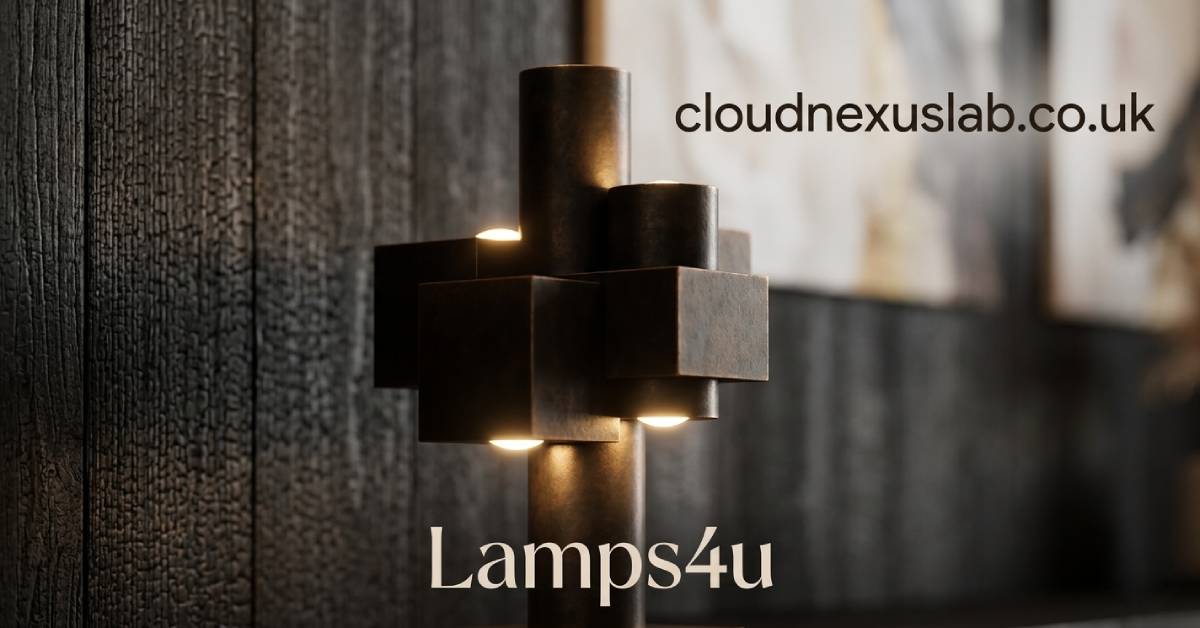
Lighting does more than illuminate a room—it shapes mood, enhances design, and brings spaces to life. Lamps4u has emerged as a trusted name for anyone looking to blend functionality with aesthetic appeal. Whether you’re redesigning your living room or simply adding a cozy touch to your bedroom, Lamps4u offers a wide range of lighting solutions that cater to modern needs. In this guide, you’ll discover what makes Lamps4u stand out, how to choose the right lighting, and why thoughtful illumination can transform your everyday environment.
Understanding Lamps4u and Its Core Offerings
What Is Lamps4u?
Lamps4u is widely recognized as a platform and brand dedicated to providing diverse lighting solutions for homes, offices, and commercial spaces. It focuses on combining quality craftsmanship with modern design trends, offering everything from minimalist desk lamps to statement chandeliers. The brand caters to a broad audience, ensuring that both budget-conscious buyers and luxury seekers find something suitable.
What truly sets Lamps4u apart is its commitment to variety and accessibility. Instead of limiting customers to a narrow style range, it embraces multiple design philosophies—from classic elegance to contemporary minimalism. This flexibility allows users to explore lighting as both a practical necessity and a creative expression.
Quick Overview of Lamps4u
| Feature | Details |
|---|---|
| Product Range | Floor lamps, table lamps, wall lights, etc. |
| Style Variety | Modern, vintage, industrial, minimalist |
| Use Cases | Home décor, office lighting, outdoor spaces |
| Price Range | Budget-friendly to premium options |
| Key Strength | Blend of design, durability, and innovation |
Why Lighting Matters More Than You Think
Lighting is often underestimated, yet it plays a critical role in shaping how a space feels and functions. A poorly lit room can feel dull and uninspiring, while the right lighting setup can instantly elevate comfort and productivity.
Think of lighting as the “invisible decorator.” It highlights textures, enhances colors, and creates depth. For example, a warm bedside lamp can make your room feel inviting, while bright task lighting can boost focus during work hours. Lamps4u understands this balance and designs products that cater to both emotional and practical needs.
Moreover, lighting impacts well-being. Studies have shown that proper lighting can influence mood, sleep quality, and even energy levels. This is why investing in the right lamp isn’t just about style—it’s about improving daily life.
Types of Lamps Available at Lamps4u
Table Lamps: Small but Powerful
Table lamps are among the most versatile lighting options. Lamps4u offers a wide selection that suits desks, bedside tables, and decorative corners. These lamps are perfect for creating focused lighting while also serving as design accents.
For instance, a ceramic table lamp with a fabric shade can add warmth to a traditional room. Meanwhile, a sleek metal lamp with LED lighting fits perfectly into a modern workspace. The beauty lies in their adaptability—you can move them around and instantly refresh your space.
Floor Lamps: Statement Pieces
Floor lamps go beyond functionality; they often become focal points in a room. Lamps4u provides designs ranging from arc lamps that stretch elegantly over sofas to tripod lamps that add a bold, artistic touch.
These lamps are ideal for living rooms or reading corners. They provide ample light without requiring installation, making them a convenient option for renters or those who like to frequently rearrange their interiors.
Wall Lights and Sconces
Wall-mounted lighting is perfect for saving space while adding sophistication. Lamps4u’s collection includes modern sconces, vintage-inspired fixtures, and adjustable wall lamps.
These lights are particularly useful in hallways, bedrooms, and bathrooms. They create layered lighting, which enhances depth and visual interest in a room. Instead of relying on a single overhead light, wall lights distribute illumination more evenly.
Pendant Lights and Chandeliers
For those looking to make a bold statement, pendant lights and chandeliers are excellent choices. Lamps4u offers designs that range from minimalist hanging lights to elaborate crystal chandeliers.
These fixtures are often used in dining areas or entryways. They draw attention and set the tone for the entire space. A well-chosen chandelier can instantly make a room feel more luxurious and refined.
How to Choose the Right Lamp
Selecting the perfect lamp involves more than just picking a design you like. It requires considering functionality, placement, and overall décor.
Key Factors to Consider
| Factor | What to Look For |
|---|---|
| Purpose | Task lighting, ambient lighting, or accent lighting |
| Size | Proportion to room and furniture |
| Style | Match with existing décor |
| Light Temperature | Warm, neutral, or cool tones |
| Energy Efficiency | LED options for lower energy consumption |
When choosing a lamp from Lamps4u, think about how you’ll use it daily. A reading lamp should provide focused light, while a decorative lamp can prioritize aesthetics. Balancing these aspects ensures you get both beauty and practicality.
The Design Philosophy Behind Lamps4u
Blending Functionality with Aesthetics
Lamps4u doesn’t treat lighting as a purely functional element. Instead, it views each lamp as a piece of art that contributes to the overall design narrative of a space. This philosophy is evident in its diverse catalog, which combines form and function seamlessly.
For example, industrial-style lamps often feature exposed bulbs and metallic finishes, creating a raw, edgy look. On the other hand, Scandinavian-inspired designs emphasize simplicity, clean lines, and natural materials. Lamps4u embraces both ends of the spectrum, giving users the freedom to choose what resonates with their personal taste.
Innovation and Technology
Modern lighting has evolved significantly, and Lamps4u keeps up with these advancements. Many of its products incorporate energy-efficient LED technology, adjustable brightness levels, and smart features.
Smart lamps, for instance, allow users to control brightness and color temperature through apps or voice commands. This level of convenience adds a new dimension to home lighting, making it more interactive and customizable.
Comparing Traditional vs Modern Lamps
| Feature | Traditional Lamps | Modern Lamps (Lamps4u) |
|---|---|---|
| Design Style | Classic, ornate | Minimalist, sleek |
| Technology | Basic bulbs | LED, smart controls |
| Energy Efficiency | Moderate | High |
| Customization | Limited | Adjustable brightness/colors |
| Maintenance | Higher | Lower |
This comparison highlights how Lamps4u aligns more closely with modern needs. While traditional lamps still hold charm, modern options offer greater efficiency and flexibility.
Real-Life Example: Transforming a Living Space
Consider a small apartment living room with limited natural light. Initially, the space feels cramped and dull. By introducing a combination of Lamps4u lighting solutions—a floor lamp in the corner, a warm table lamp on the side table, and subtle wall sconces—the entire atmosphere changes.
The room becomes layered with light, creating depth and warmth. The floor lamp provides general illumination, the table lamp adds coziness, and the wall lights enhance visual interest. This simple upgrade demonstrates how thoughtful lighting can completely transform a space without major renovations.
Benefits of Choosing Lamps4u
Choosing Lamps4u comes with several advantages that go beyond just purchasing a lamp:
- Wide variety ensures something for every taste
- High-quality materials improve durability
- Energy-efficient designs reduce electricity costs
- Modern features enhance convenience
These benefits make Lamps4u a reliable choice for anyone looking to upgrade their lighting setup. It’s not just about buying a product—it’s about investing in a better living experience.
Tips for Maintaining Your Lamps
Proper maintenance ensures your lamps stay functional and visually appealing for years. Regular cleaning prevents dust buildup, which can affect light quality. Always use appropriate bulbs as recommended by the manufacturer.
Additionally, check wiring and connections periodically to ensure safety. For lamps with fabric shades, gentle cleaning methods help preserve their texture and color. Taking these small steps can significantly extend the lifespan of your lighting fixtures.
Conclusion
Lamps4u represents more than just a lighting provider—it’s a gateway to transforming how spaces look and feel. From versatile table lamps to statement chandeliers, it offers solutions that cater to diverse needs and styles. By understanding the importance of Lighting and choosing the right fixtures, you can create environments that are both functional and inspiring.
Investing in quality lighting isn’t a luxury—it’s a necessity for modern living. Whether you’re redesigning a room or simply adding a finishing touch, Lamps4u provides the tools to bring your vision to life. With thoughtful choices and a bit of creativity, any space can shine brighter than ever.
Frequently Asked Questions (FAQs)
1. What makes Lamps4u different from other lighting brands?
Lamps4u stands out due to its wide variety, modern designs, and focus on both functionality and style. It caters to different budgets and preferences.
2. Are Lamps4u products suitable for small spaces?
Yes, many Lamps4u products are designed for compact areas. Wall lights and table lamps are especially useful for saving space.
3. Does Lamps4u offer energy-efficient lighting options?
Most Lamps4u products include LED technology, which consumes less energy and lasts longer than traditional bulbs.
4. Can Lamps4u lamps be used in offices?
Absolutely. Lamps4u offers task lighting solutions ideal for desks, workspaces, and professional environments.
5. How do I choose the right lamp for my room?
Consider the purpose, size, style, and lighting type. Matching the lamp with your room’s décor ensures a balanced look.


Osnovno: A Complete Guide to Understanding the Essentials

Animeidhen: Exploring the Meaning, Culture, and Impact

Myreadingmanga: Exploring a Unique Manga Reading Hub

Uber and Lyft are finally available in all of New York State
The 9 worst mistakes you can ever make at work
15 Habits that could be hurting your business relationships
-
 Business9 years ago
Uber and Lyft are finally available in all of New York State
-
Business9 years ago
The 9 worst mistakes you can ever make at work
-
Business9 years ago
15 Habits that could be hurting your business relationships
-
 Celebrity9 months ago
Mickey Rourke Young: A Powerful Look at His Early Life and Rise
-
Business9 years ago
MSNBC finishes first in primetime basic cable for first time ever
-
 Business7 months ago
Eschopper: The Modern Framework Transforming Digital Commerce
-
 Celebrity9 months ago
Thomas Boone Quaid: A Life Shaped by Fame and Privacy
-
Business9 years ago
3 Ways to make your business presentation more relatable