
SPORTS
Sports Harmonicode: The Hidden Rhythm Behind Athletic Performance

Introduction
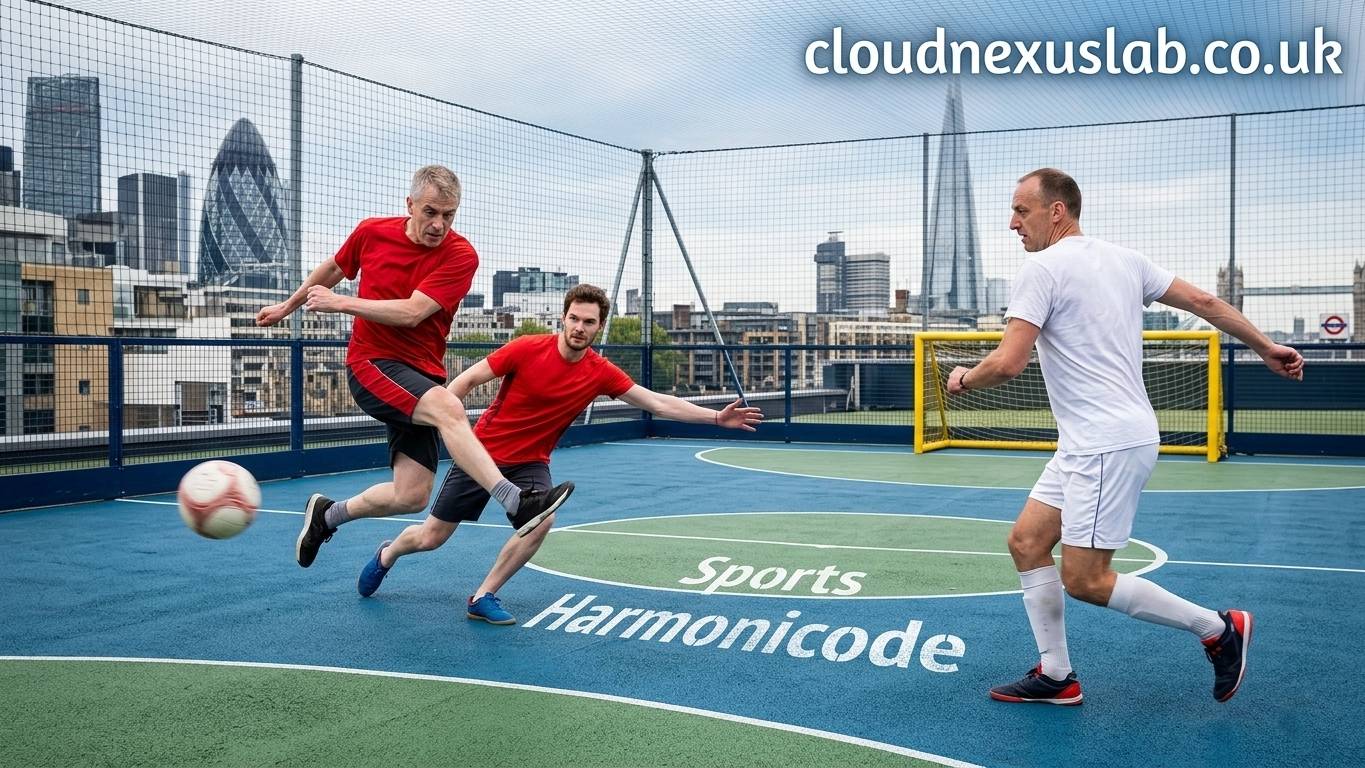
In the world of sports, success often appears to be about strength, speed, and strategy. Yet beneath every powerful swing, precise pass, or perfectly timed jump lies something deeper—rhythm, timing, and coordination. This is where Sports Harmonicode comes into play. The concept of Sports Harmonicode explores how patterns, rhythm, biomechanics, and mental synchronization combine to enhance athletic performance.
Athletes, coaches, and sports scientists are increasingly studying the idea that performance is not just physical—it is harmonic. Movements, breathing, timing, and even decision-making can align like musical notes in a symphony. When these elements work together, athletes perform at their peak. When they fall out of sync, even the strongest competitor can struggle.
This article explores the meaning of Sports Harmonicode, how it works, its scientific foundations, and how it influences different sports. By the end, you’ll understand why harmony and rhythm may be the secret language of elite athletic performance.
Understanding the Concept of Sports Harmonicode
Sports Harmonicode refers to the natural synchronization between body mechanics, timing, and mental focus that allows athletes to perform movements smoothly and efficiently. The idea is that athletic motion behaves like a harmonic system—similar to music or physics—where rhythm, repetition, and balance produce optimal results.
In many sports, movements follow repeating patterns. A runner’s stride, a swimmer’s stroke, or a basketball player’s shooting motion all rely on consistent timing. When the body’s systems—muscles, nerves, breathing, and balance—align correctly, performance becomes fluid rather than forced.
This harmony reduces wasted energy. Instead of fighting against their own body mechanics, athletes move with them. The result is greater speed, improved endurance, and more precise control.
Sports Harmonicode can therefore be seen as the “code” or pattern that governs efficient athletic movement.
The Science Behind Sports Harmonicode
Sports science shows that human movement is governed by patterns known as biomechanical rhythms. These rhythms are influenced by muscle coordination, neural timing, and body alignment.
When an athlete trains repeatedly, the nervous system begins to store these patterns. Over time, movements become automatic.
Biomechanics and Rhythmic Motion
Biomechanics studies how the body moves and how forces act on it. Within this field, researchers have observed that successful athletic movements often follow harmonic patterns.
For example, when a runner maintains a consistent stride rhythm, energy transfer between muscles becomes smoother. If the rhythm breaks, efficiency drops.
The following table shows how rhythmic patterns influence different athletic motions.
| Athletic Movement | Harmonic Pattern Example | Performance Impact |
|---|---|---|
| Running | Consistent stride rhythm | Better endurance and speed |
| Swimming | Timed breathing and strokes | Reduced drag and fatigue |
| Tennis | Swing timing and body rotation | More powerful shots |
| Basketball | Shooting rhythm | Improved accuracy |
These patterns demonstrate how harmony between motion and timing can significantly affect results.
Neurological Synchronization
Another key factor is the brain’s role in coordinating movement. The brain constantly sends signals to muscles, adjusting timing and balance.
When athletes train using rhythmic drills or repetition, their nervous system learns these patterns. Eventually, actions occur almost automatically.
This neurological synchronization is a core principle of Sports Harmonicode, where body and mind operate in perfect timing.
The Core Components of Sports Harmonicode
The concept of Sports Harmonicode can be broken into several fundamental elements that influence athletic movement.
Timing
Timing determines when muscles activate and how movements flow. A split second difference can change the outcome of a play.
For instance, a baseball hitter must swing at exactly the right moment to connect with the ball. Perfect timing allows the energy of the swing to transfer effectively.
Balance
Balance ensures stability during motion. Athletes who maintain balance can move faster and react more effectively.
Gymnasts and surfers are prime examples. Their success relies heavily on maintaining harmonic balance with gravity and motion.
Breathing Rhythm
Breathing also follows rhythmic patterns. When breathing aligns with physical movement, athletes experience improved oxygen efficiency and endurance.
Long-distance runners often coordinate breathing with their stride pattern to maintain steady energy levels.
Mental Flow
Mental focus completes the harmonic system. When athletes enter a state of flow, their movements become smooth and instinctive.
This mental state allows the brain to coordinate complex movements without conscious effort.
Sports Harmonicode in Different Sports
The principles of Sports Harmonicode appear in nearly every athletic discipline. Each sport uses rhythm and harmony in unique ways.
Running and Track Events
Running may appear simple, but elite runners rely heavily on rhythm. Their stride length, foot placement, and breathing must align perfectly.
If one element changes—such as stride frequency—the runner’s efficiency may drop.
Many professional runners train with cadence drills to maintain consistent stride patterns.
Swimming
Swimming showcases harmonic motion more clearly than almost any other sport. The swimmer’s body must move through water in a continuous wave-like rhythm.
Breathing, arm strokes, and kicks must synchronize perfectly.
If these elements fall out of rhythm, water resistance increases and speed decreases.
Team Sports
Team sports also benefit from harmonic coordination.
Basketball players pass, dribble, and shoot within rhythmic patterns. Soccer players coordinate movement across the field like a flowing system.
When teams find rhythm together, their gameplay becomes fluid and difficult to defend.
Training Methods That Develop Sports Harmonicode
Athletes and coaches often design training routines to strengthen rhythmic coordination.
These methods help athletes internalize movement patterns so that they become instinctive.
Rhythm-Based Drills
Rhythm drills involve repeating movements at a steady tempo. These drills improve timing and coordination.
Examples include:
- Running cadence drills
- Jump rope rhythm training
Such exercises teach the body to maintain consistent movement patterns.
Repetition and Muscle Memory
Repetition builds muscle memory. Over time, movements require less conscious effort.
This is why athletes practice basic skills repeatedly. Each repetition strengthens the harmonic pattern of the movement.
Sensory Feedback Training
Athletes also rely on feedback from their bodies. Balance boards, motion sensors, and slow-motion video analysis help athletes identify disruptions in their rhythm.
By adjusting posture or timing, they can restore harmony to their movements.
Technology and the Future of Sports Harmonicode
Modern sports technology is transforming how harmonic patterns are studied.
Wearable devices and motion tracking systems can now measure rhythm, speed, and muscle activation in real time.
The following table highlights technologies used to analyze harmonic athletic patterns.
| Technology | Purpose | Benefit |
|---|---|---|
| Motion Capture Systems | Track body movement | Detailed performance analysis |
| Wearable Sensors | Measure stride, speed, and balance | Real-time feedback |
| AI Movement Analysis | Identify motion patterns | Improved training insights |
| Smart Fitness Equipment | Monitor rhythm and tempo | Better coordination training |
These tools allow coaches to identify subtle inefficiencies that were once impossible to detect.
As technology evolves, understanding of Sports Harmonicode will likely become more precise and personalized.
Psychological Benefits of Harmonic Movement
Beyond physical performance, harmonic movement also affects mental well-being.
Athletes often report feeling “in the zone” when their movements flow naturally. This state of flow is associated with confidence, reduced stress, and improved focus.
When body and mind operate in harmony, athletes experience less mental fatigue. Decision-making becomes faster and more instinctive.
Sports psychologists often encourage rhythmic breathing and visualization techniques to help athletes achieve this mental harmony.
Real-World Examples of Harmonic Athletic Performance
Many legendary athletes demonstrate principles that align with Sports Harmonicode.
Consider a tennis player executing a perfectly timed serve. Their motion begins with leg drive, continues through body rotation, and ends with arm acceleration. Each movement flows into the next like a musical rhythm.
Similarly, elite sprinters maintain incredibly precise stride timing. Even small disruptions can slow them down.
The following table compares harmonic characteristics across different sports.
| Sport | Key Harmonic Element | Example |
|---|---|---|
| Tennis | Swing rhythm | Consistent serve motion |
| Running | Stride cadence | Efficient long-distance pacing |
| Swimming | Stroke synchronization | Balanced breathing and strokes |
| Basketball | Shooting rhythm | Smooth jump shot release |
These examples show that harmony and rhythm are essential components of athletic excellence.
Challenges and Limitations of Sports Harmonicode
While the concept offers many benefits, achieving perfect harmony in movement is not always easy.
Athletes face physical fatigue, environmental conditions, and competitive pressure. These factors can disrupt rhythm and coordination.
Injuries also affect harmonic movement. When a muscle or joint is compromised, the body may compensate by altering movement patterns.
This is why recovery and proper training are crucial. Restoring natural movement patterns helps athletes regain their performance rhythm.
Conclusion
Sports Harmonicode reveals an important truth about athletic performance: success is not just about strength or speed, but about harmony. When movement, timing, breathing, and mental focus align, athletes perform with remarkable efficiency and precision.
Across sports—from running and swimming to Basketball and tennis—the principles of rhythmic motion and coordinated movement shape how athletes train and compete. Advances in sports science and technology are helping coaches understand these patterns more deeply than ever before.
For athletes seeking improvement, the lesson is clear. Mastery comes not only from effort but from rhythm. By developing balanced movement patterns and training the body to move in harmony, athletes can unlock higher levels of performance.
The future of sports may very well depend on how well we understand and apply the principles of Sports Harmonicode.
Frequently Asked Questions (FAQs)
1. What is Sports Harmonicode?
Sports Harmonicode refers to the rhythmic coordination of body movement, timing, breathing, and mental focus that improves athletic performance.
2. How does rhythm affect athletic performance?
Rhythm allows muscles and movements to work efficiently together. When timing is consistent, athletes waste less energy and maintain better control.
3. Can athletes train to improve their harmonic movement?
Yes. Training methods such as repetition drills, rhythm exercises, and balance training help athletes develop smoother movement patterns.
4. Is Sports Harmonicode related to biomechanics?
Yes. Biomechanics studies how the body moves, and harmonic movement patterns are a key part of efficient biomechanics in sports.
5. Do professional athletes use harmonic training methods?
Many elite athletes use cadence drills, breathing coordination, and motion analysis technology to refine rhythmic movement patterns.



Osnovno: A Complete Guide to Understanding the Essentials

Animeidhen: Exploring the Meaning, Culture, and Impact

Myreadingmanga: Exploring a Unique Manga Reading Hub

Uber and Lyft are finally available in all of New York State
The 9 worst mistakes you can ever make at work
15 Habits that could be hurting your business relationships
-
 Business9 years ago
Uber and Lyft are finally available in all of New York State
-
Business9 years ago
The 9 worst mistakes you can ever make at work
-
Business9 years ago
15 Habits that could be hurting your business relationships
-
Business9 years ago
MSNBC finishes first in primetime basic cable for first time ever
-
 Celebrity9 months ago
Mickey Rourke Young: A Powerful Look at His Early Life and Rise
-
 Business7 months ago
Eschopper: The Modern Framework Transforming Digital Commerce
-
 Celebrity9 months ago
Thomas Boone Quaid: A Life Shaped by Fame and Privacy
-
 Celebrity9 months ago
Brandy Quaid: The Quiet Heart Behind A Famous Hollywood Family